
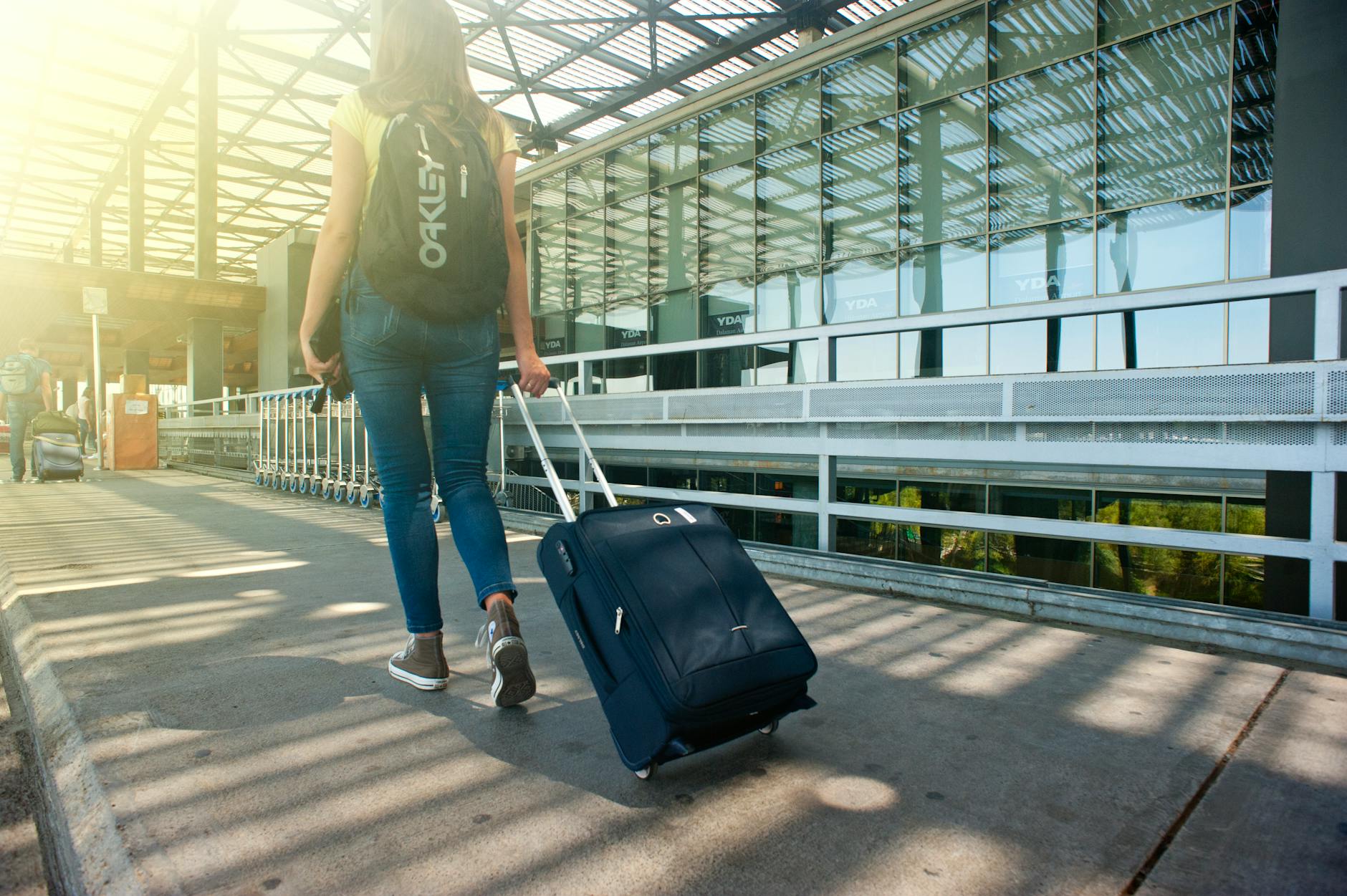
For millions of travelers across India, the rail network is a vital link, and ensuring a smooth journey means adhering to the rules—especially when it comes to packing.
The Indian Railways has reinforced its long-standing luggage policies and introduced stringent penalties in 2025 to curb overcrowding and misuse, making it critical for every passenger to understand their baggage rights and limits.
The Official Free Luggage Limits
The amount of luggage you can carry for free is strictly tied to the class of your ticket. These limits are enforced to ensure passenger comfort and prevent congestion in the coaches.
According to official regulations, the free luggage allowance across various classes is as follows:
- AC First Class (1A): Passengers are permitted up to 70 kilograms of luggage free of cost.
- AC 2-Tier (2AC): The limit for this class is set at 50 kilograms.
- AC 3-Tier (3AC) and Sleeper Class: Travelers in both these highly utilized classes are allowed 40 kilograms.
- Second Sitting (General/Non-AC): The allowance is 35 kilograms.
While these are the free limits, certain classes also have a higher ceiling if extra charges are paid (e.g., 150 kg in AC class, 80 kg in Sleeper, and 70 kg in Second Sitting).
Strict Penalties for Un-booked Excess Baggage
A major deterrent introduced by the Railways in 2025 targets travelers who knowingly exceed the free allowance without booking the extra weight. This rule is strictly enforced to ensure fairness to all passengers who adhere to the norms.
If you carry more luggage than allowed for your class and have not booked the excess weight, you will now face a stiff penalty: you may be fined 6 times the regular fee for the extra weight.
This penalty is levied under Section 162 of the Railways Act. Historically, charges for exceeding limits were calculated at 1.5 times the standard luggage rate, but the new rules make the penalty significantly heavier.
Size Matters: Dimension and Prohibited Items
It’s not just the weight that the railway authorities check; size restrictions are also in place.
• Size Limits: Generally, the length, breadth, and width of any single piece of baggage should not exceed 160 cm. However, dimension limits may be relaxed to 185 cm for select items such as briefcases, umbrellas, or cameras.

• Prohibited Items: For safety, the sources emphasize that carrying certain items is strictly prohibited. Passengers are not allowed to carry weapons, firearms, ammunition, flammable objects, leaking liquids, or any hazardous substances in their luggage. Breaking this rule can lead to significant fines and deboarding.
Traveling with Your Furry Friends
For pet owners, understanding the rules for traveling with dogs and cats is essential, as they are treated as specialized luggage or parcel.
Allowed Compartments: Indian Railways strictly permits pets only under specific conditions:
1. First Class AC (1A) Coupe or Cabin: Pets are only allowed inside the passenger compartment if you book the entire coupe or cabin. After booking confirmed tickets, you must submit a written request to the Chief Reservation Officer (CRO) at your boarding station to allot a full coupe.
2. Brake Van (Luggage/Parcel Van): If you cannot secure a 1A coupe or are traveling in a lower class, the pet can be booked in the Brake Van as parcel luggage. In this scenario, the owner is not allowed to accompany the pet.
Documentation and Penalties: You must provide the pet’s vaccination certificate and a health certificate issued by a registered veterinarian (preferably within 24–48 hours of travel).
If you attempt to carry a pet in an unauthorized compartment (like Sleeper, 2AC, or 3AC), you may be fined, and the pet will be forcibly moved to the luggage van without any refund. Note that guide dogs for visually impaired passengers are allowed free of cost with the necessary documentation.

Leave a Reply